The Jazz and Swing Era
In the early 20th century, dining out ceased to be a purely functional act and transformed into a form of social entertainment. In major cosmopolitan capitals, gastronomy and live music merged inextricably.
-
The Rhythm of the Night:
Jazz bands and swing trios set the pulse of the most exclusive dining rooms. The music brought a vibrant, elegant, and festive energy, where the sound of the double bass and brass instruments accompanied the clinking of crystal glasses.
-
Dancing and Dining:
Room layouts prioritized interaction: centered stages, dance floors surrounded by tables, and a sophisticated front-of-house service orchestrating dinner to the tempo of the show.
How Rhythm Modifies Flavor
With the development of modern acoustics and consumer psychology, the restaurant industry discovered that music directly influences how we experience food.
-
Tempo and Pace of Consumption:
A fast tempo prompts faster eating, whereas low frequencies and a unhurried rhythm (between 60 and 80 BPM, similar to a resting heart rate) invite guests to chew slowly, extend the after-dinner conversation, and savor the nuances of the cuisine.
-
The "Flavor" of Music:
Various studies in neurogastronomy have shown that high-pitched, harmonic frequencies enhance the perception of sweet flavors, while deep, low notes highlight bitter, roasted nuances and the umami present in meats and rice dishes.
The Birth of the "Lounge"
In recent decades, the lounge concept (from the English "sitting room" or "resting area") revolutionized the design of nightlife spaces. The goal was no longer to host a concert where music took center stage, but rather to create an immersive soundscape.
-
Subliminal Elegance:
Combining elements of nu-jazz, downtempo, and soft electronic music, the lounge style seeks to envelop the space evenly.
-
Conversation at the Core:
The key to acoustic design in a lounge is allowing absolute voice clarity. Music acts as a veil of privacy between tables, preventing outside conversations from overlapping without ever forcing guests to raise their voices.
The Frequency Shift After Dessert
The soundscape of a successful dinner should never be static; it must evolve as the evening unfolds.
-
Sensory Transition:
During dinner, the music stays in a warm, organic background. However, once the dishes are cleared and the table makes way for cocktails, the acoustic atmosphere subtly increases in density.
-
From the Table to the Bar:
Deep lounge tones and sophisticated chill-out beats mark the transition toward a more relaxed, nocturnal atmosphere, seamlessly extending the sobremesa.
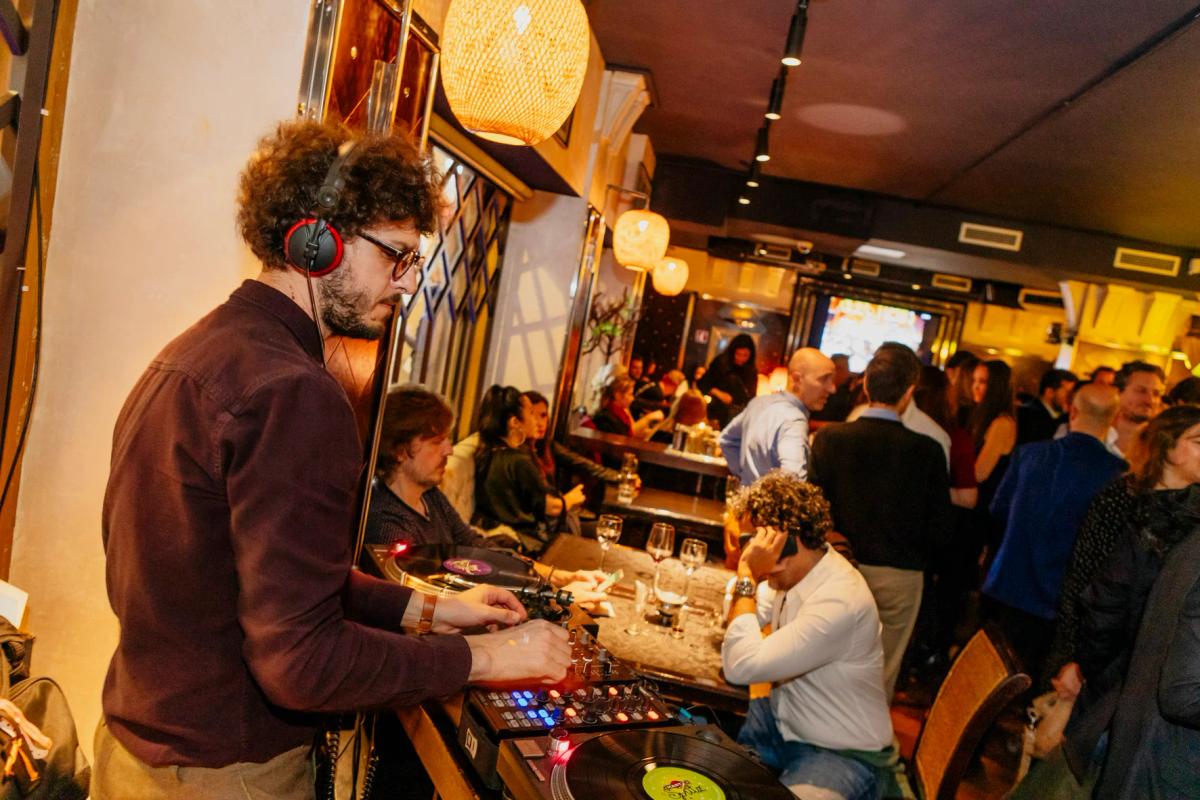
The Rhythm of the Night at My Way Lounge & Restaurant
At My Way, the musical atmosphere is an ingredient crafted with as much care as our choice of Mediterranean ingredients or the precision of our mixology.
Located in the heart of Barcelona's Gothic Quarter, our venue pays tribute to that golden age when elegance and music went hand in hand. Through a curated selection of timeless jazz, swing, and sophisticated lounge rhythms, we create the ideal refuge to unplug from the city noise. Here, dim lighting, signature gastronomy, and an enveloping soundtrack come together so you can enjoy an unhurried evening, in true "Live the Experience My Way" style.
