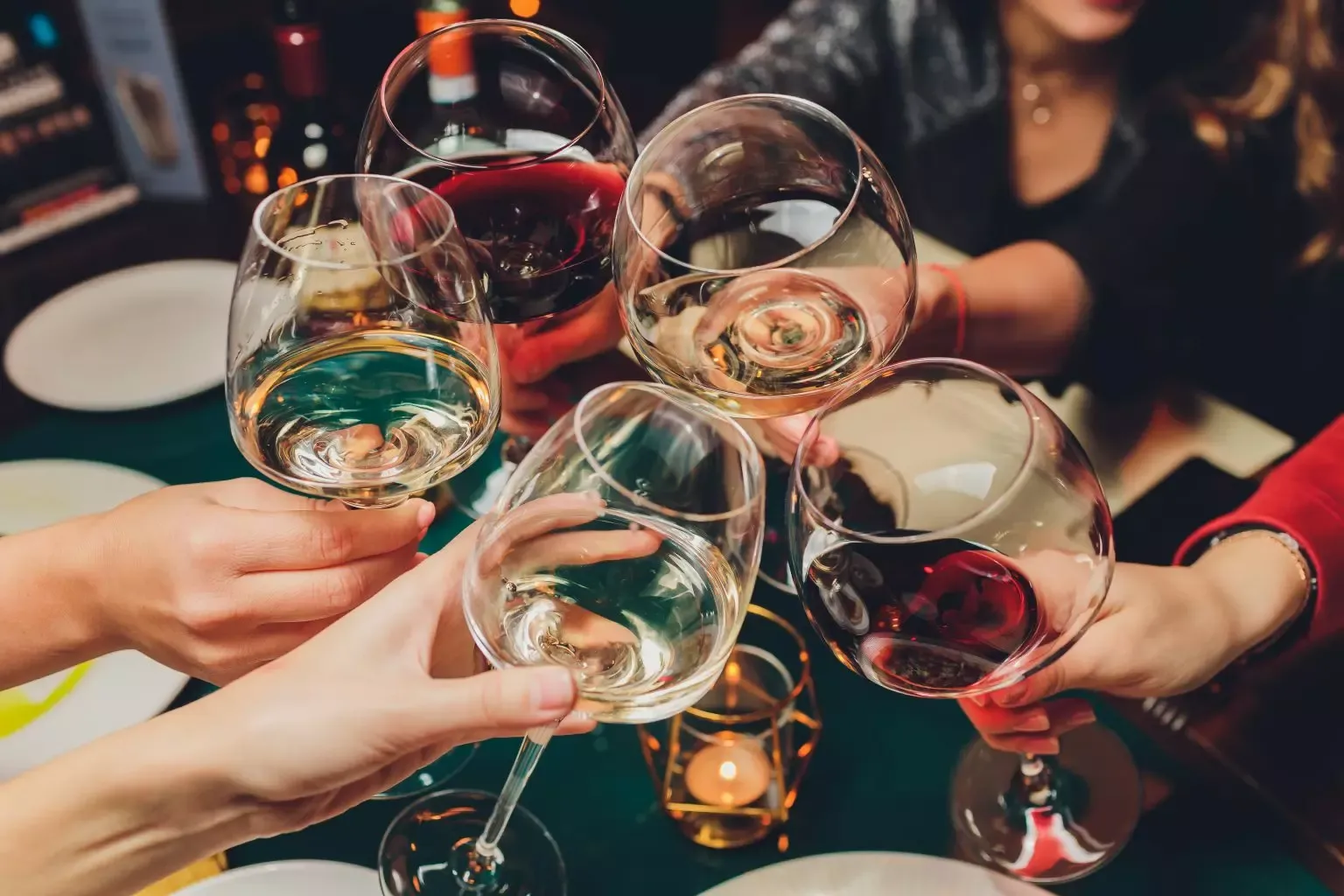
The Culture of Wine Pairing and Tasting
The culture of wine pairing and the knowledge of wine tasting are two essential elements for any gourmet or sommelier. These skills allow you to make the most of food quality through all five senses. In the world of oenology, every meal should be complemented appropriately with wines that enhance each dish, ensuring the best tasting experience without overwhelming the palate before the main courses.
Whether you are a diner or a host, this article will help you understand the basics of wine pairing without unnecessary technicalities.
Flavor Isn’t Everything
Before thinking about the food, it’s essential to know the types of wines and their primary combinations. Flavor harmony is crucial, especially for the most discerning palates.
The Three Main Types of Wines
- White wines: With a clear white or yellow color, they are made from white grapes and often have a citrus or acidic flavor.
- Red wines: Characterized by their deep red color, they are made from red grapes and offer fruity flavors.
- Rosé wines: With a pink or light red hue, rosé wines are also made from red grapes but have a special softness and lightness in their flavors.
Note: In Spain, there are over 70 protected wine denominations and more than 500 grape varieties.
The Importance of the Glass
Before tasting any wine, the glass it is served in plays a fundamental role. Have you ever wondered why glasses vary in size and shape? This is because each glass type is associated with a specific kind of wine to maximize every aspect of the tasting experience.
Fun fact: Glass types include tasting glasses, Burgundy, Bordeaux, flutes, and Sauternes glasses.
How to Choose the Best Wine
There is no secret formula for finding the perfect wine. The key lies in experimenting and choosing what you enjoy most. However, there are general pairing rules:
- Red wines: Perfect for red meats, cured meats, stews, grills, and roasts.
- White wines: Ideal for fish, savory tapas, seafood, pasta, and cheeses.
- Rosé wines: Pair well with meats, tapas, salads, pasta, and desserts.
Remember: These are general recommendations. The best combination will depend on your preferences.
Other Important Elements in Wine Pairing
- The flavor of wines depends on their aging, fermentation, and the quality of the grapes.
- Flavors are classified as sweet, salty, bitter, sour, and umami, which are fundamental in pairing.
- There are also sparkling and young wines that complement the main categories.
If you’re at a restaurant and unsure of which wine to choose, ask the waiter; they’ll surely recommend the best option.
The Meaning of the Carpe Diem Moment
As with many aspects of life, it’s important to enjoy the moment and focus on the experience. In wine pairing, savor the moment and forget your worries. Gastronomy is an art, and as such, it should be lived through all the senses to be fully enjoyed and shared.
The Wine Pairing Experience at My Way
At My Way, we offer a selection of wines carefully chosen for their designations and qualities. My Way Ambiance Video.
For us, wine culture is important, and we strive to share it with our guests, whether through a great dinner or an educational article. Our wines are the perfect complement to any occasion.
Tips for Tasting Wine
- Choose your wine based on the dishes you’ll be eating. The key lies in understanding the pairings for each type of wine.
- Use the appropriate glass and pour the wine gently.
- Observe the color, perceive the aroma, and taste slowly to capture its essence.
- Enjoy the moment and live in the now without dwelling on the past or future.
Now you know everything you need to enjoy a complete wine pairing experience. Cheers!
Article dedicated to Francisco García Rodríguez, a passionate wine enthusiast.
