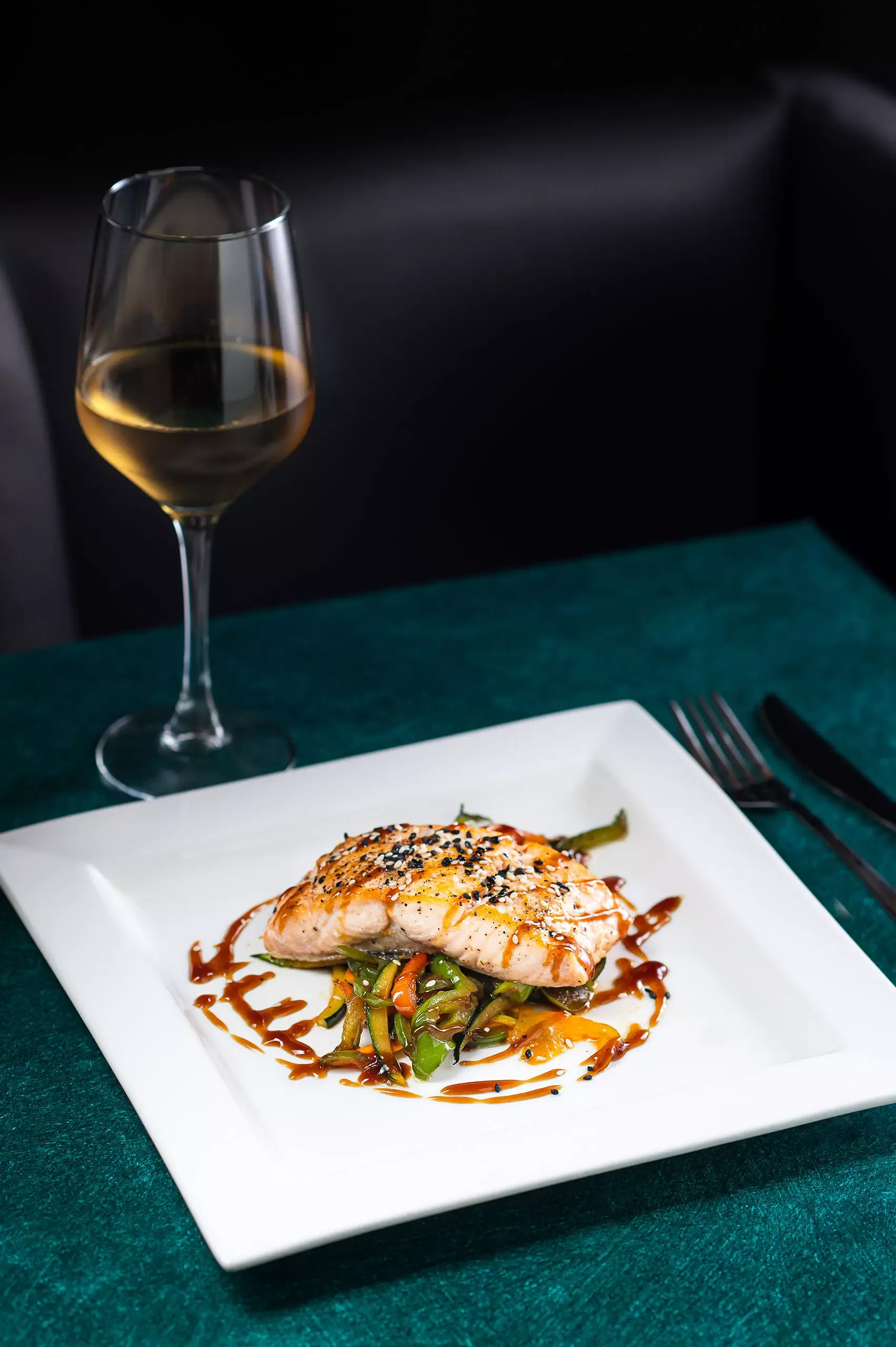
Salmon Tataki: A Mediterranean Delight with Japanese Technique
Among the seafood dishes available on our menu, salmon tataki is undoubtedly one of our top recommendations. This dish is perfect for celebrating any special occasion in Barcelona, combining a Japanese culinary technique with flavors that evoke the essence of the Mediterranean. Here are some fascinating facts about salmon tataki, a specialty you simply must try.
What Does “Tataki” Mean?
Literally, “tataki” means “distributed in pieces” and refers to a technique in which a whole piece of fish (or meat) is seared in a hot pan for a very short time. This process allows the outer layer to be cooked while keeping the inside raw.
Once cooked, the natural juices of the piece are often used to enhance its flavor, and the fish is then sliced into thick pieces before serving. Some variations of tataki incorporate marinades made with rice vinegar, soy sauce, citrus, or sesame, adding a unique touch of flavor.
Watch how an authentic tataki is prepared here. While its roots are Japanese, this dish has conquered Europe thanks to its nutritional benefits and delicious taste.
Origins of Salmon Tataki
The tataki technique is attributed to samurai Sakamoto Ryôma, who during his travels was inspired by the grilling method observed among European foreigners (primarily Portuguese) in Nagasaki. Fascinated, he incorporated this style as a unique cooking technique.
However, some suggest that tataki originated in Tosa, a Japanese province renowned for its fish markets and skilled chefs. In any case, this technique has been passed down through generations and remains popular today.
Other Variations to Enjoy
Although many associate tataki exclusively with tuna or salmon, it can also be applied to meats, using the same preparation and presentation method. An example is “Gyuniku no tataki,” a beef carpaccio prepared with the tataki technique, highly valued as a starter in Japan.
Historically, fish was a food reserved for the nobility, and lower classes often used this quick cooking technique to avoid the smell that could alert authorities.
Nutritional Benefits
Many nutritionists recommend tataki for its balanced calorie content and high protein levels. Like carpaccio or bresaola, tataki is ideal for athletes or those seeking a healthy lifestyle.
Differences Between Tataki and Sashimi
Although both techniques are used for seafood, there are key differences between them:
- Cooking: Sashimi is always prepared with raw fish, whereas tataki is seared, leaving it cooked on the outside and raw on the inside.
- Juices and Pairing: Tataki utilizes the natural juices of the fish or meat, while sashimi is consumed raw without any cooking process.
- Variety of Ingredients: Sashimi includes only raw fish and seafood, while tataki can be made with various types of fish or meat.
And that concludes our article about salmon tataki. If you want to explore other specialties from our Mediterranean kitchen, don’t miss our 3 Things You Should Know About Black Rice Paella!
